
Introduction
Just a few years ago, the idea of a virtual reality workout was a novelty. Today, VR fitness industry growth is driving the rise of a multi-billion dollar sector that is reshaping the fitness landscape. The momentum of VR fitness industry growth is undeniable, with technology and innovation fueling every step. This deep dive into VR fitness industry growth shows how virtual workouts are becoming serious business, blending fun, engagement, and cutting-edge solutions for personal health. By exploring VR fitness industry growth, we can see how the future of fitness is immersive, connected, and constantly evolving.
This comprehensive analysis will unpack the market forces, investment trends, and key players driving VR fitness industry growth. You’ll gain a clear understanding of VR fitness industry growth, including the factors fueling its expansion and the innovations shaping the future. By examining VR fitness industry growth, you can see how the market is evolving and which opportunities are emerging for investors and users alike. Expert predictions highlight how VR fitness industry growth will continue to transform personal wellness, making virtual workouts more engaging, accessible, and effective than ever before.
Defining the VR Fitness Market
The VR fitness industry encompasses the entire ecosystem of hardware, software, and services driving VR fitness industry growth. From VR headsets to subscription platforms and individual games, VR fitness industry growth is shaping how people engage with exercise. With VR fitness industry growth, virtual workouts are becoming more accessible, immersive, and effective for a wider audience. Observing VR fitness industry growth shows how technology, content, and innovation combine to redefine fitness in the digital age.
In 2025, this sector has moved from a niche segment of the gaming world to a standalone category within the broader health and wellness market. According to market intelligence reports from firms like Statista, the global VR fitness market is projected to grow at a compound annual growth rate (CAGR) of over 30%, signaling one of the most significant investment opportunities in tech today. This isn’t a bubble; it’s the foundation of the future of at-home fitness.

Key Drivers Fueling the Industry’s Growth
The rapid expansion of the VR fitness market isn’t accidental. It’s the result of a perfect storm of technological advancement, shifting consumer behavior, and a growing global focus on health.
Hardware Accessibility and Affordability
The single biggest catalyst has been the arrival of powerful, affordable, and easy-to-use standalone VR headsets, led by the Meta Quest line.
- Lowering the Barrier to Entry: With no need for an expensive PC or complex setup, millions of new users have been able to enter the VR ecosystem.
- Technological Leaps: Each new generation of headset brings higher resolution, better tracking, and features like mixed reality, making the experience more comfortable and immersive.
- Increased Competition: The anticipated entry of tech giants like Apple and Google into the market is expected to drive further innovation and competitive pricing.
The Post-Pandemic Shift to At-Home Fitness
The global pandemic permanently altered the fitness landscape. Consumers invested heavily in home gym equipment and grew accustomed to the convenience of working out on their own schedule.
- Demand for Engaging Solutions: Many who tired of static workout videos found VR to be a far more engaging and motivating alternative.
- Cost-Effectiveness: Compared to recurring gym memberships and expensive equipment like a Peloton, a one-time headset purchase offers a vast and varied library of fitness experiences.
- Privacy and Comfort: VR provides a private, judgment-free space for people to exercise, which is a significant draw for those who are self-conscious in a traditional gym setting.
A Growing Focus on Holistic Wellness
The **VR wellness market trends** extend beyond just physical fitness. There’s a growing demand for mental health and wellness solutions, and VR is uniquely positioned to deliver them. From guided meditation in stunning virtual landscapes to stress-reducing mindfulness apps, VR offers a powerful form of escapism and mental recuperation. Organizing these wellness activities is made easier with tools like a Virtual Assistant Biz ID.
Understanding the VR Fitness Ecosystem
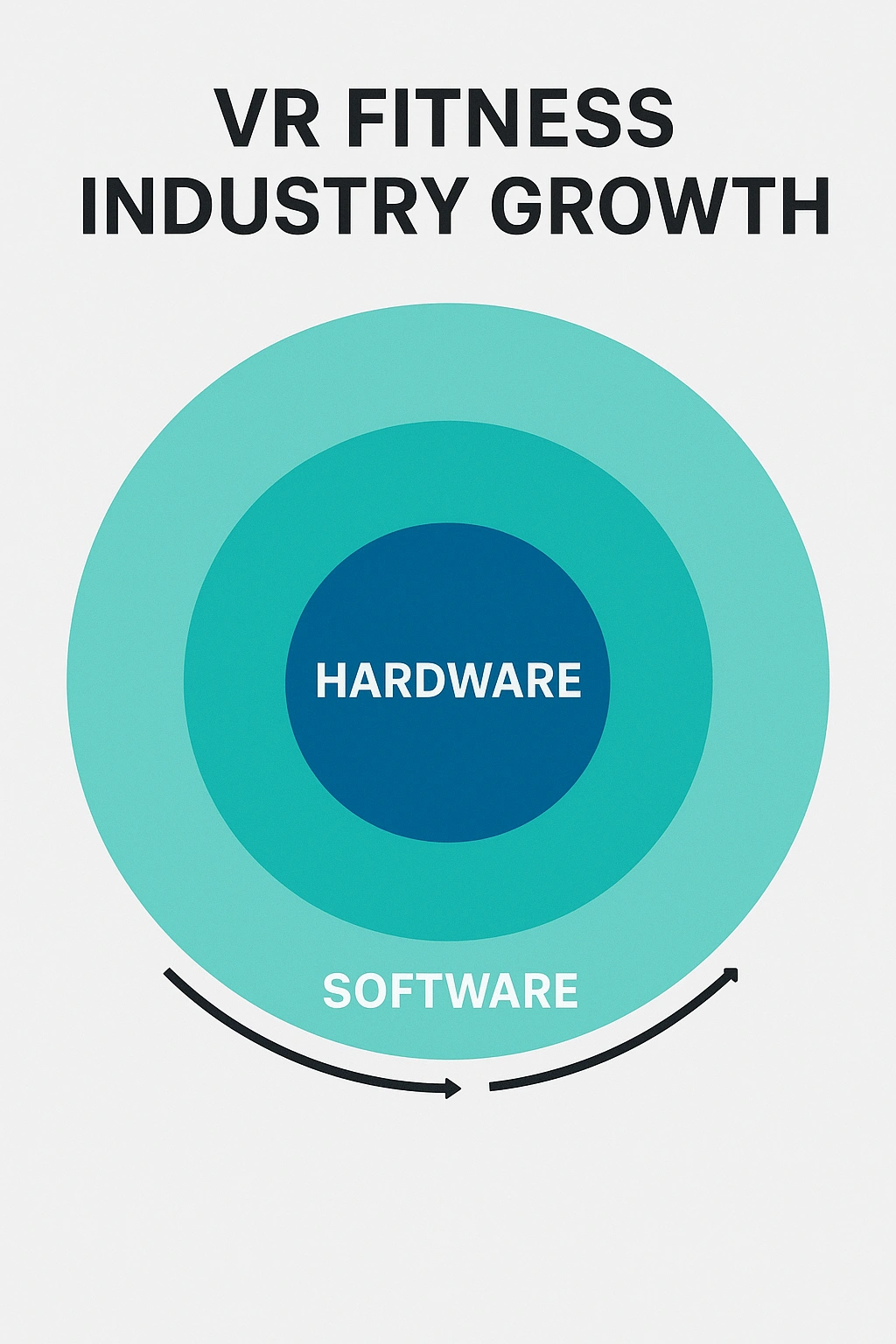
The industry is a complex interplay of different layers, each offering unique business opportunities:
- Hardware Layer: The foundation, dominated by headset manufacturers like Meta, Sony (PSVR), and emerging players.
- Platform Layer: The digital storefronts and operating systems, such as the Meta Quest Store or SteamVR, which control app distribution.
- Software/Content Layer: The most dynamic layer, consisting of subscription services (Supernatural, FitXR), one-time purchase games (Beat Saber), and specialized wellness apps.
- Enabling Tech Layer: Companies developing crucial components like haptic feedback suits, body tracking sensors, and AI coaching algorithms.
Market Spotlight: The Subscription Model of Supernatural
To understand the business of VR fitness, look no further than Supernatural. Acquired by Meta, it represents the successful implementation of the recurring revenue model in VR fitness.
Business Model: Supernatural operates on a subscription model, offering users new, coach-led workouts daily, set in beautiful real-world locations and featuring licensed popular music. This creates a “live service” feel that encourages long-term engagement.
| Strengths of the Model | Weaknesses of the Model |
|---|---|
| Predictable, recurring revenue stream | High risk of user churn (cancellation) |
| Builds strong user habits and community | High ongoing costs for content and music licensing |
| High potential for user data collection and personalization | Faces competition from one-time purchase games |
Major Players and Investment Strategies
| Company | Primary Strategy | Market Impact |
|---|---|---|
| Meta | Hardware dominance and ecosystem building (acquiring studios). | Driving mass adoption but raising concerns about platform control. |
| Apple | Premium hardware (Vision Pro) and integration with existing wellness services. | Will elevate the market but at a high price point, targeting the premium segment. |
| Sony | Leveraging the PlayStation console ecosystem for high-fidelity VR experiences. | Strong in the gaming-first fitness segment but limited to the console market. |
| Independent Studios | Innovating with niche gameplay mechanics and community-focused games. | Driving creativity and often serving as acquisition targets. |
Potential Headwinds and Market Challenges
Despite the optimistic outlook, the industry faces significant challenges it must overcome to ensure sustainable growth:
- User Retention: The biggest challenge. Many users drop off after the initial novelty fades. Companies must create compelling long-term content loops to combat churn.
- Content Discovery: As stores become crowded, it’s harder for new, innovative apps to get noticed.
- Hardware Fragmentation: Developing for multiple headsets with different capabilities can be costly and complex for developers.
- Demonstrating Efficacy: The industry needs to move beyond anecdotal evidence and provide more clinical data to be taken seriously by the wider medical and wellness communities.
Expert Predictions: What’s Next for VR Fitness?
Where is the industry headed? We asked a leading tech analyst for their predictions.
- The Rise of AI Coaching: AI will become standard, offering real-time form correction and hyper-personalized workout plans.
- Corporate Wellness Programs: Expect a major push into the B2B market, with companies offering VR wellness solutions to their employees.
- Integration with Wearables: Seamless integration with Apple Watches, Fitbits, and other wearables will allow for more data-rich, responsive workouts.
- Gamified Physical Therapy: VR will become a mainstream tool for physical rehabilitation, with gamified exercises prescribed by doctors.
“The next phase of the VR fitness industry growth will be driven by data and intelligence. The companies that succeed won’t just be selling games; they’ll be selling personalized outcomes,” says tech analyst Dr. Anya Sharma.
FAQ (Frequently Asked Questions)
Your top questions about the **VR fitness industry growth** answered.
Q: How big is the VR fitness market?
A: The global VR fitness market is experiencing explosive growth. Projections show it reaching well into the multi-billion dollar range by 2028, driven by increasing hardware adoption and a growing demand for engaging at-home workout solutions.
Q: Who are the major players in the VR fitness industry?
A: The industry is composed of hardware manufacturers like Meta (Quest headsets), software platforms like Supernatural and FitXR, and major game studios. Tech giants like Apple and Google are also entering the space, indicating significant future competition.
Q: Is VR fitness a good investment opportunity?
A: With a strong compound annual growth rate (CAGR), the VR fitness sector presents significant investment opportunities, particularly in software, AI-driven personalization platforms, and enabling technologies like haptics and body tracking.
Q: What are the biggest challenges facing the VR fitness industry?
A: Key challenges include long-term user retention (churn) after the initial novelty wears off, the high cost of hardware for some consumers, and the need for more diverse, high-quality content to keep users engaged.
Q: How will the corporate world adopt VR wellness?
A: Companies are increasingly looking at VR for corporate wellness programs. They can offer employees guided meditation in VR, virtual team-building fitness challenges, and stress-reduction experiences, representing a major B2B growth area for the industry.
Conclusion
The VR fitness industry growth is not a fleeting trend but a major shift in how we approach health and wellness. VR fitness industry growth is fueled by accessible hardware, changing consumer habits, and continuous innovation. With VR fitness industry growth, workouts are becoming smarter, more personalized, and immersive, offering experiences beyond traditional gyms. Observing VR fitness industry growth reveals how technology is transforming fitness into engaging, interactive, and widely accessible routines for everyone.
While challenges remain, the trajectory is clear. The fusion of fitness and virtual reality is creating one of the most exciting growth sectors in technology. For investors, developers, and users alike, the future of fitness is here, and it’s happening inside a VR headset. For more on emerging tech markets, keep an eye on publications like Wired.
What are your predictions for the future of VR fitness? Share your thoughts in the comments!